Advancing Naval Readiness with AI: Tagup CEO Jon Garrity on Ship Repair Radio
 Nicole Laskowski
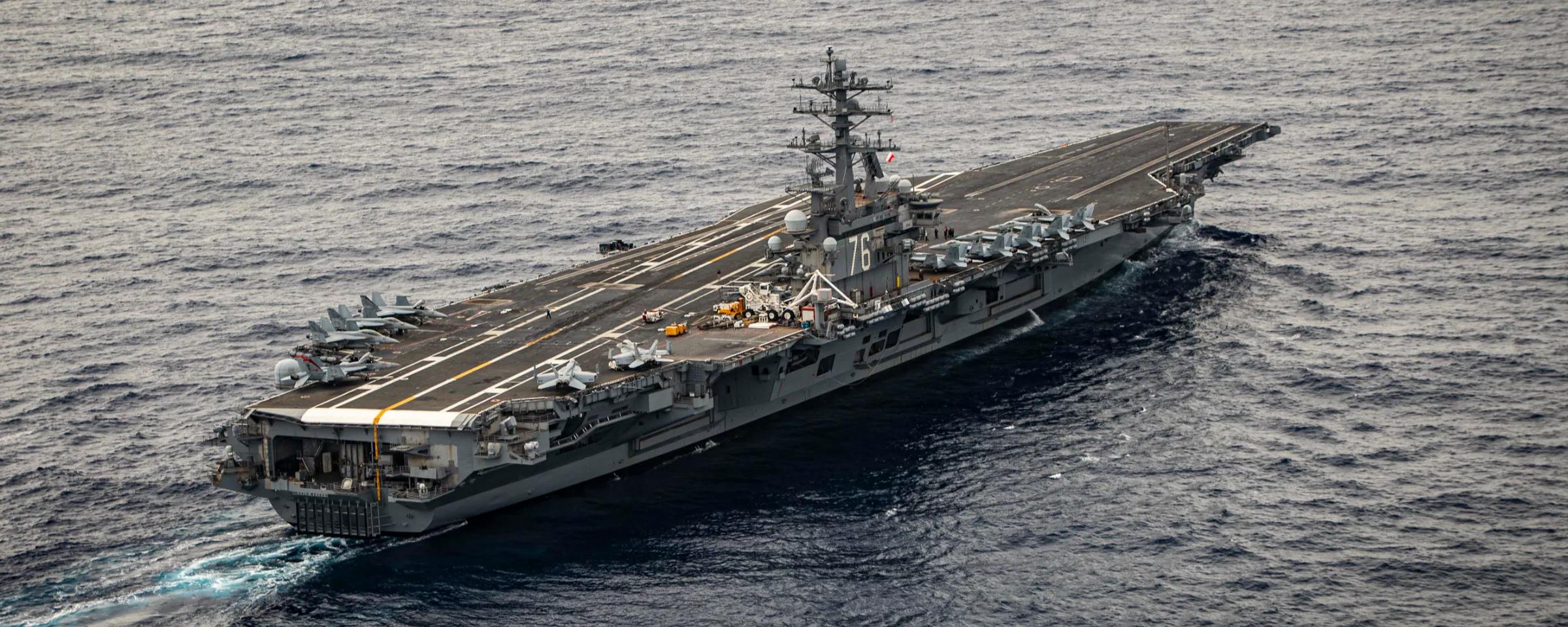
Naval readiness depends on the industrial strength of America’s shipyards and the resilience of the supply chains behind them. Understanding how repair requirements, supplier capacity, and maintenance decisions interact creates an opportunity to strengthen both.
On Episode 19 of Ship Repair Radio, Tagup CEO Jon Garrity joined host John Polowczyk, president of the Virginia Ship Repair Association and a retired U.S. Navy rear admiral, to explore how AI can improve fleet readiness. Drawing on experience in the commercial industry and Tagup’s work with the U.S. Marine Corps, Garrity examined how AI can help modernize the way repair work is planned, supplied, and scheduled.
Central to the discussion was the approach behind Tagup’s work: using AI models informed by historical and operational data to identify the supply and maintenance decisions that will have the greatest impact on readiness. For ship repair, that approach can help teams anticipate growth work and materiel needs, map the industrial base behind fleet readiness, and connect data across the waterfront.
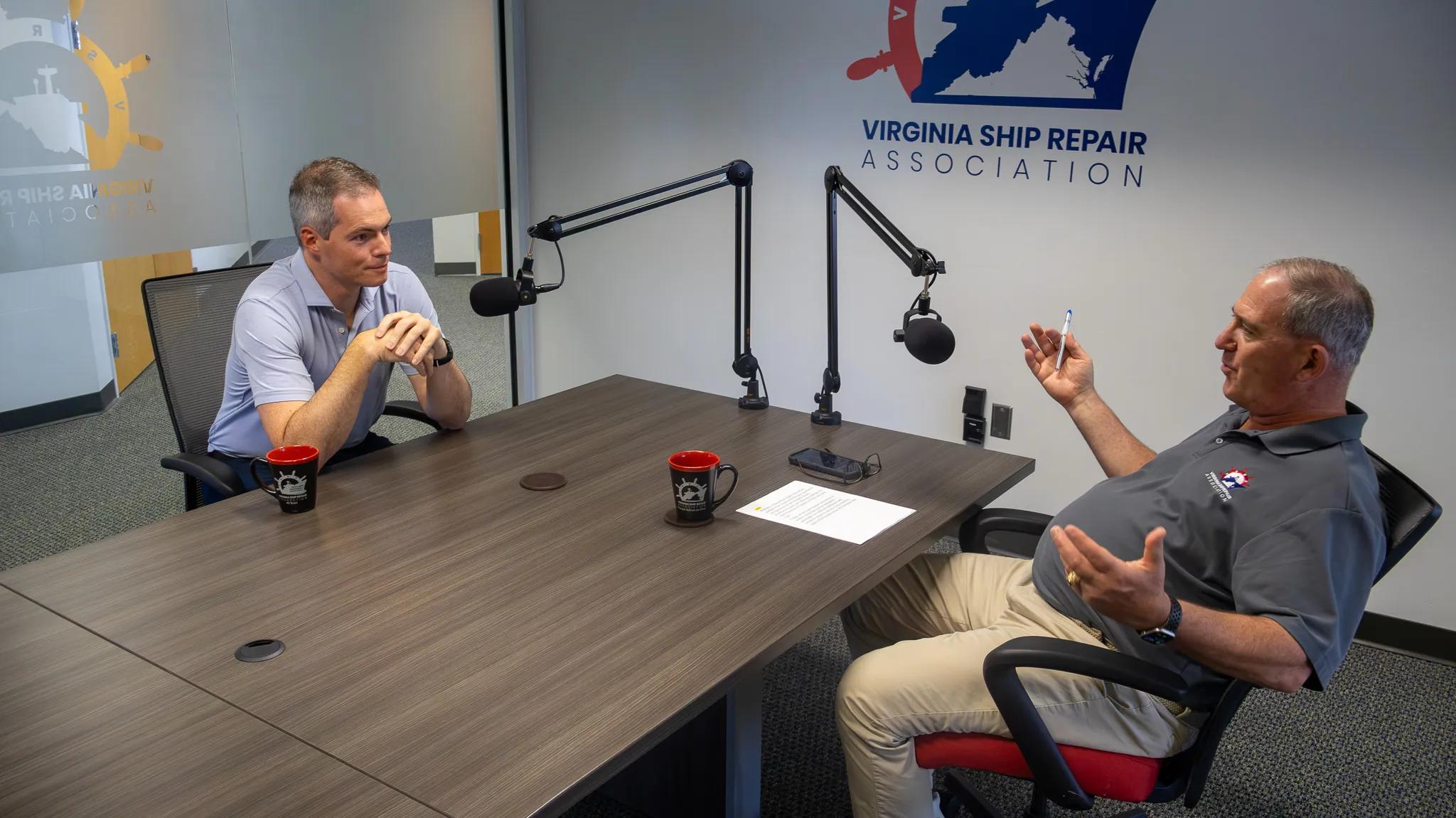
Watch or listen to Episode 19 of Ship Repair Radio on YouTube, Spotify, Apple Podcasts, or Amazon Music.
Anticipating growth work and materiel needs in ship repair
Growth work, the additional work that surfaces once a ship’s maintenance is underway, is inherently uncertain, as are the materiel needs that come with it. Historical data can help; predictive models built on past maintenance and operational data can estimate the likelihood of different repair needs and the materiel each is likely to require, informing preparation without assuming that every requirement is known in advance. Garrity described how he saw a similar approach in practice at GE, where data from gas turbines in the field informed spare-parts requirements and improved asset performance.
Anticipating likely requirements is a starting point. The greater value comes from linking those predictions to a planning objective, such as a ship’s operational availability, and identifying which supply and maintenance decisions will deliver the greatest impact against that objective. As Garrity explained, "These models now allow you to very systematically get to the bottom of what is the highest-return effort [you] can spend."
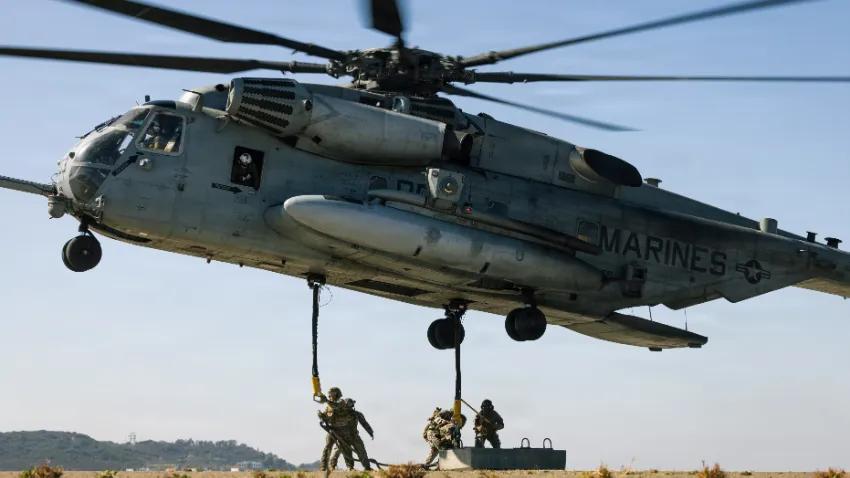
Consider prepositioning. Preparing equipment for prepositioning requires decisions about which assets to prepare, what maintenance to perform, when to perform it, and which parts are needed. The planning objective is mission-capable equipment available when the mission calls for it. That relationship between maintenance execution, materiel availability, and readiness parallels the challenge in ship repair.
Mapping the maritime industrial base behind fleet readiness
Behind every maintenance availability is a network of suppliers, parts, and capacity that shapes fleet readiness.
As Garrity described, a supply graph connecting vendors, the parts they provide, the requirements of the ships they support, and supplier capacity makes that network visible. With that picture, planners can assess how a particular supplier affects operational readiness, where the network may be vulnerable, and where added capacity would have the greatest impact.
That visibility matters even more when demand shifts. As ships return from extended deployments, maintenance demand could rise sharply, placing concentrated pressure on the entire network, from the major repair yards to the suppliers behind them. Large language models can query a supply graph to help identify where to invest, where to shore up capacity, and how demand is likely to evolve both across the enterprise and at the individual-part level.
Creating shared value across the waterfront
Technical capability is one part of putting these ideas into practice. Coordination across organizations is another. Ship repair brings together shipyards, suppliers, and Navy organizations, and aligning them around shared objectives creates an opportunity for readiness gains that extend beyond any single participant.
Connected data provides the foundation. "If we can organize the data across yards, across the Navy, across the enterprise, there is a disproportionate return and a public good that could be created," said Garrity. Building that foundation doesn’t require replacing existing systems; AI tools can work on top of the systems of record teams already use. The result can inform planning, work, and scheduling, especially when it’s combined with operational expertise.
For ship repair, the opportunity is to connect those strengths: the knowledge of the people doing the work, the information held across the industrial base, and the ability to evaluate decisions in terms of fleet readiness. With AI capabilities advancing rapidly, engaging now will help ensure the waterfront, and the fleet it supports, stays at the forefront.
Watch or listen to Episode 19 of Ship Repair Radio on YouTube, Spotify, Apple Podcasts, or Amazon Music.
Latest news and insights.

Get a mission-specific demo.
See how Manifest drives logistics decision advantage for your mission, constraints, and operational reality.